

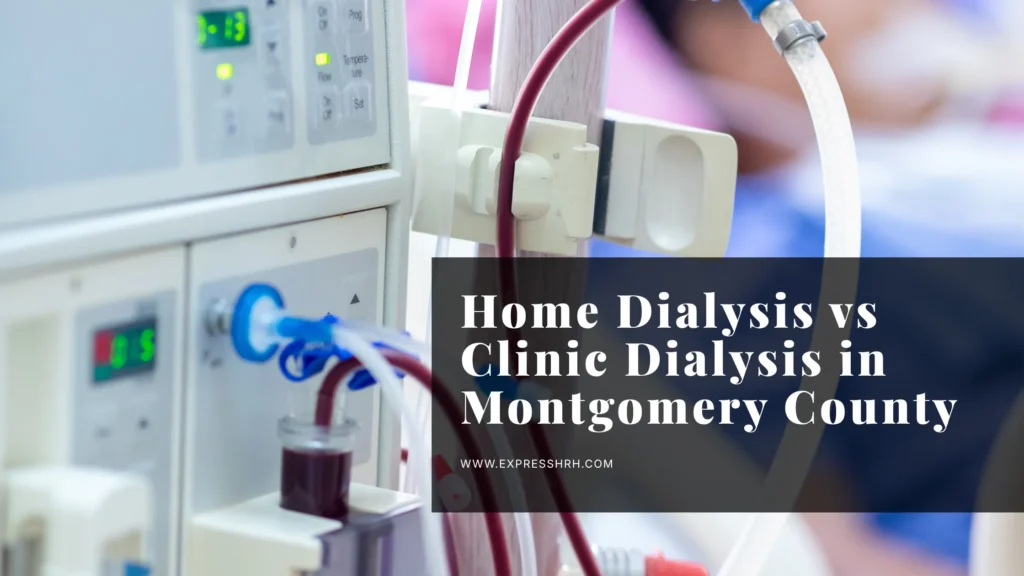
Choosing between home dialysis and clinic dialysis can feel overwhelming, especially when managing long-term kidney care. Patients across Kensington and Montgomery County often weigh factors like cost, convenience, and safety before making a decision. With the right information, families can better understand which option aligns with their medical needs, daily routine, and level of independence.
What Home Dialysis and Clinic Dialysis Actually Mean
Dialysis replaces kidney function by removing waste and excess fluid from the blood. The two main approaches differ in how and where this care is delivered.
Home dialysis allows treatment in a familiar setting with trained support, while clinic dialysis requires scheduled visits to a dialysis center several times a week. Both methods are medically effective when followed correctly.
1: Why Choosing the Right Dialysis Option Matters
The choice impacts more than treatment schedules. It shapes how patients live day to day, especially in a busy area like Montgomery County.
- Daily routine: Treatment timing affects work, sleep, and family life
- Health outcomes: Consistency plays a role in long-term stability
- Support needs: Some patients require hands-on assistance or monitoring
2: Common Challenges Patients Face When Deciding
Many families in Kensington struggle to balance medical advice with practical realities. The decision often involves factors beyond clinical ones.
- Information overload: Medical terms and options can be confusing
- Time commitment: Clinic visits can disrupt daily schedules
- Caregiver availability: Not all families can support home-based care
3: Step-by-Step Process to Choose Between Home and Clinic Dialysis
A structured approach helps patients and families feel more confident about their decision. Each step ensures safety and suitability.
- Medical evaluation: Doctors assess overall health and kidney condition
- Lifestyle review: Daily routines and home setup are considered
- Training phase: Patients or caregivers learn how to manage treatment
- Trial period: Some patients start in a clinic before transitioning home
- Ongoing monitoring: Adjustments are made based on patient response
4: Comparing Home Dialysis and Clinic Dialysis Options
Each option offers unique benefits depending on the patient’s needs and support system.
- Home dialysis: Provides flexibility and allows treatment at preferred times
- Clinic dialysis: Offers direct supervision by healthcare professionals
- Hybrid approach: Some patients transition between both based on health changes
Patients receiving support through renal care services often find that combining clinical guidance with home support improves overall care quality.
5: Cost Comparison in Montgomery County, MD
Costs can vary based on insurance coverage, treatment frequency, and additional support services. In Maryland, both options may be covered under Medicare or private insurance.
- Home dialysis costs: Equipment setup and training may have upfront costs
- Clinic dialysis costs: Transportation and repeated visits add long-term expenses
- Support services: In-home assistance can influence overall pricing
Local providers help families understand cost breakdowns before starting care, making planning easier.
6: Tools and Support Needed for Home Dialysis
Home dialysis requires a combination of equipment, training, and ongoing guidance. Proper setup ensures safety and consistency.
- Dialysis machines: Designed for home use with user-friendly controls
- Sterile supplies: Essential for infection prevention
- Caregiver support: Assistance improves accuracy and confidence
Support services like community and home care services help patients maintain routines while managing treatment effectively.
7: Infection Risk Differences Between Home and Clinic Dialysis
Infection risk is one of the most important considerations when choosing dialysis type. Each setting has its own safety factors.
- Home dialysis: Lower exposure to other patients but requires strict hygiene
- Clinic dialysis: Controlled environment but higher exposure due to shared spaces
- Preventive care: Proper training reduces risk in both settings
Guidelines from trusted organizations like the CDC infection prevention standards highlight the importance of hygiene in all dialysis environments.
8: Real-Life Situations Across Montgomery County
In a region like Montgomery County, lifestyle plays a major role in care decisions. Different situations call for different approaches.
- Working professionals: Home dialysis offers flexible scheduling
- Elderly patients: Clinic dialysis may provide needed supervision
- Post-hospital recovery: Patients may begin in clinics before transitioning home
Access to nearby services helps patients adapt care plans as their needs evolve.
9: Quality of Life Considerations
Quality of life often becomes the deciding factor when medical outcomes are similar. Patients want treatment that fits naturally into their lives.
- Independence: Home dialysis allows more control over daily routines
- Social interaction: Clinic visits provide structured engagement
- Mental comfort: Familiar surroundings can reduce stress during treatment
Balancing these factors helps patients maintain both physical and emotional well-being.
10: Best Practices for Safer and More Effective Dialysis
Consistency and proper technique improve outcomes regardless of the chosen method. Patients benefit from clear routines and professional guidance.
- Follow schedules: Maintain consistent treatment timing
- Maintain hygiene: Clean equipment and environment regularly
- Stay connected: Regular check-ins with healthcare providers
Combining dialysis with support services like pediatric complex care can also benefit younger patients with specialized needs.
11: Dialysis Care in Kensington, MD with Local Support
Patients in Kensington and surrounding areas have access to personalized care options. Local providers understand regional healthcare systems and patient needs.
Explore coverage through the service areas page to see how care is delivered across Montgomery County. You can also read helpful updates and insights on the blog page.
Local expertise ensures smoother coordination between home care and medical supervision.
12: Frequently Asked Questions About Dialysis Options
Choosing the right dialysis approach often raises important concerns. These answers address common questions patients in Maryland frequently ask.
What is the main difference between home dialysis and clinic dialysis?
Home dialysis is performed at home with proper training, while clinic dialysis is done at a medical center under supervision. Both are effective when managed correctly.
Is home dialysis safer than clinic dialysis?
Safety depends on proper training and hygiene. Home dialysis can reduce exposure to infections, while clinics offer direct medical oversight.
Does insurance cover dialysis in Maryland?
Most dialysis treatments are covered by Medicare or private insurance. You can explore care options through local renal care services for detailed guidance on coverage.
Who is eligible for home dialysis?
Patients who are medically stable and can manage or receive help with treatment are typically eligible. A healthcare provider will assess suitability before starting.
13: Get Personalized Dialysis Support in Kensington, MD
Managing kidney care becomes more manageable with the right support system in place. Whether you are exploring home dialysis or clinic-based care, guidance from experienced professionals makes a difference. Express Home and Renal Healthcare provides tailored support for patients across Kensington and Montgomery County, helping families choose and manage dialysis with confidence.
📍 Address: 10400 Connecticut Avenue, Suite 602, Kensington, MD 20895
📞 Phone: (301) 825-5900
📧 Email: care@expresshrh.com
Reach out today to explore care options that align with your lifestyle, medical needs, and long-term well-being.